Commuting to the University of York has been an important part of my student experience, especially as a neurodivergent person. Choosing to live off campus gave me the stability and predictability I rely on, while still allowing me to enjoy the academic and social opportunities available at York.
Having a home environment tailored to my sensory needs – where I can control noise, lighting and routine – has made a significant difference to my wellbeing and ability to manage busy days on campus.
Commuting also offers practical benefits. Depending on your circumstances, it can be more affordable, particularly if you’re eligible for travel discounts. It also provides built‑in quiet time before and after classes, which can be helpful if you find constant social interaction overwhelming. For me, that time has become a valuable part of my daily rhythm.
My journey to campus

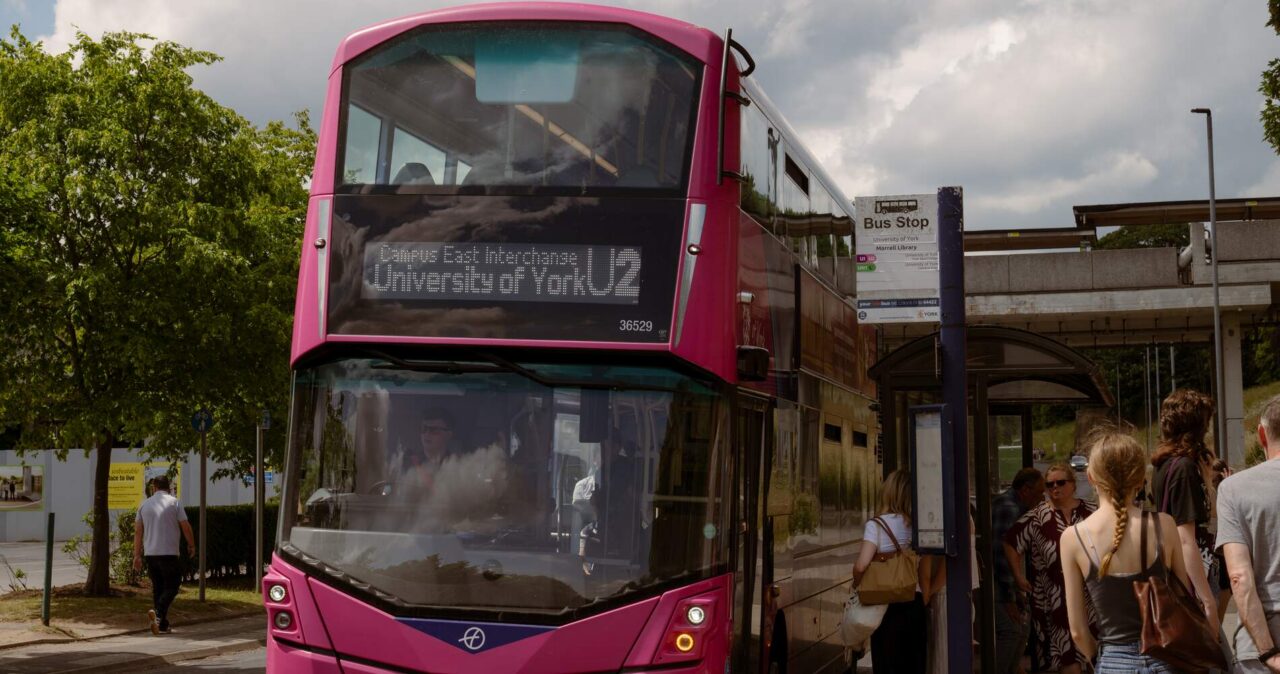
My commute usually involves taking the train and then the bus, which together take around an hour. Although it’s a longer journey, I appreciate the consistency it gives me. I tend to sit in the same area of the bus, wear noise‑cancelling headphones, and listen to something calming. These small habits help me feel grounded before the day begins.
During my undergraduate degree, I used a railcard offered through my student bank account, which gave me a third off rail fares. Now, I use the Disabled Railcard, which also provides a third off tickets and is more cost‑effective than the standard 16–25 Railcard. If you’re eligible, it can make regular travel much more manageable.
On days when I need more control over my sensory environment, I drive instead. The University has accessible parking options, including disabled bays and a permit scheme, which makes travelling by car straightforward.
Although I try to reduce my environmental impact by using public transport, I’ve learned to be gentle with myself. For many neurodivergent students, having the option to travel independently can make the difference between a stressful commute and a safe, comfortable one.
Navigating York
York is a compact and walkable city, which is ideal if you prefer predictable routes or want to avoid sensory overload. I often walk between places because it gives me time to reset between activities. For longer journeys, the train is my preferred option. York station is well connected, with frequent direct routes to cities such as Leeds, Manchester, Newcastle and London. If you like planning ahead, the rail network makes travelling simple and reliable.
Tips for a more comfortable commute
- Build a sensory‑friendly routine with items like noise‑cancelling headphones or sunglasses
- Stick to familiar routes to reduce decision fatigue
- Prepare the night before to make mornings calmer
- Choose a commute activity: reading, podcasts, playlists or quiet games can make the journey more enjoyable
- Carry comfort items such as a stim toy, soft jumper or familiar snack.
Staying safe when travelling late
Travelling in the evening can feel different, especially during darker months. I always make sure my phone is charged, choose well‑lit routes, and let someone know when I’m heading home if I’m staying late.
The University’s SafeZone app is a reassuring tool, offering 24/7 access to the Campus Safety team. I’ve used it after late study sessions, and it helped me feel more confident walking to the bus stop at night.
Final thoughts
Commuting as a neurodivergent student can be a positive and empowering choice. York is an accessible, welcoming city with reliable transport links, and with the right routines, commuting can become a calm and enjoyable part of your day. If you’re considering studying at York, I hope my experience helps you feel more confident exploring commuting as an option.

Leave a Reply