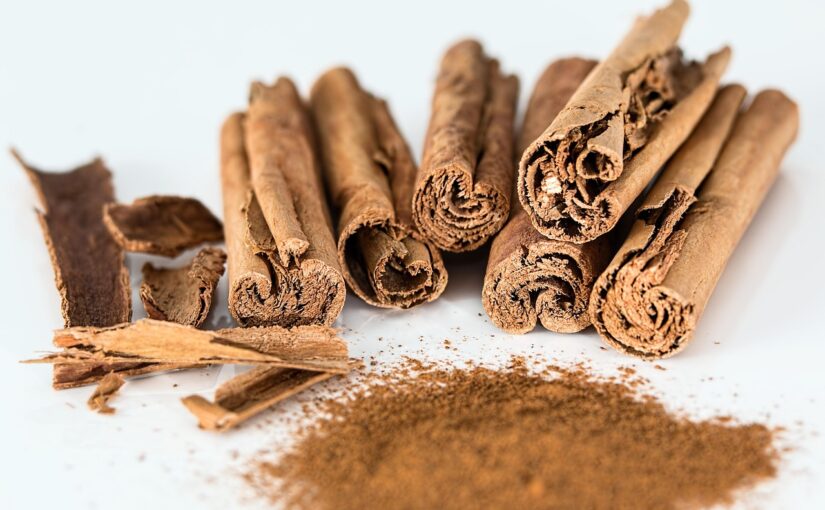

It is hard to imagine a world without cinnamon. The spice is found in the comforting and familiar: baked goods like cinnamon rolls, or scented candles. It has been enthusiastically adopted into social media make-up trends, as in the sultry but sweet allure of ‘Cinnamon Girl’ make-up.
Well, cinnamon was popular even in the 17th and 18th centuries, within the aristocratic drawing rooms that the Student Salon project has brought to life. Salons were intellectual and social occasions hosted by women and they facilitated discussion of new ideas and ‘discoveries’. Nevertheless, they were also opulent and blatant displays of wealth, their richness evident in every sense, including the 18th-century-style hot chocolate, provided in the salon peer workshops, traditionally without sugar or milk. The shavings of pure cacao came from York Cocoa Works, inviting links between historic chocolate consumption and York’s own history of chocolate manufacture.
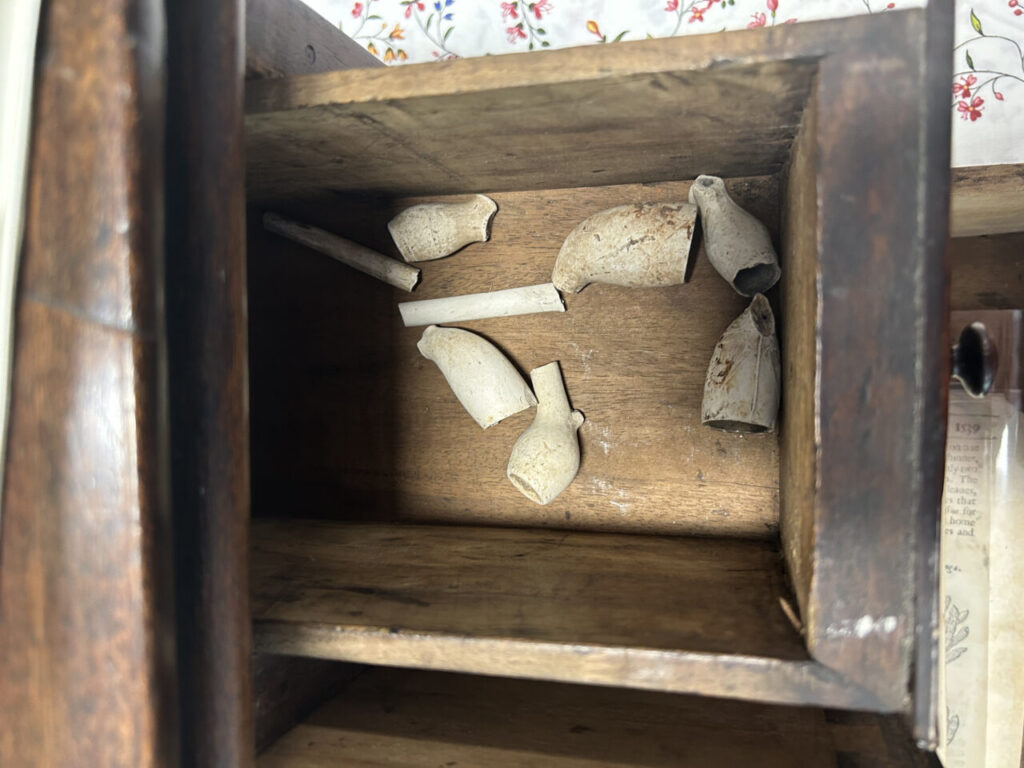
These varying sensuous and intellectual experiences within the salon space were revitalised in the Student Salon’s many interactive tasks, such as smelling bottles of spices from an 18th-century Dutch cabinet and trying to identify them. One involved us each taking an item back to our tables (such as prints in protective plastic) to examine and appreciate thoroughly, but also studying them for more than their dazzling beauty.
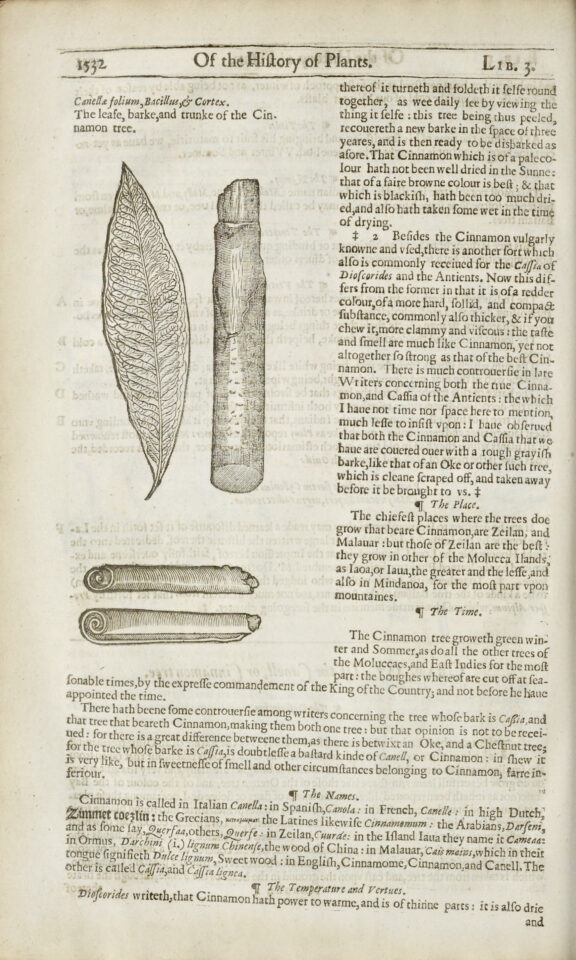
This task revealed the highly conspicuous nature of the salons’ exploitative sources and came as a surprise to me. The colonial and global trafficking that underpinned these events was evident in the botanical information regarding cinnamon. It was incredible to view and handle a print depicting cinnamon from 1597, including botanical illustrations of the plant, how and when it grows, its texture and flavour, how it is processed and also its name in other languages. However, it was chilling to acknowledge this would have been key knowledge; brought back from the empire to later be studied in botanical gardens such as the Oxford Physic Garden or Kew Gardens after being cultivated in plantations. The project hosts (fittingly all women) also drew attention to the depictions of the Chinese nobility on the sides of tea-cups, raising discussion of their class sensitivity, and the fantasy of racial superiority in having even the noble foreign bodies decorate their tableware.
We were also encouraged to imagine how these experiences would have manifested creatively, as to ponder the global implications of the resultant works. In one salon session, we were provided with a handout with additional 17th and 18th century texts and paintings. One such text was Candide, in which Voltaire’s description of the mythic El Dorado (the fantastical city of gold within the satirical novel – one inspired by Walter Ralegh’s travels in the mid-1590s) encapsulates the European’s perception of ‘New world’ wealth — and its commodification as a lavish paradise to be harvested:
While waiting they were shown the city, and saw the public edifices raised as high as the clouds, the market places ornamented with a thousand columns, the fountains of spring water, those of rose water, those of liqueurs drawn from sugar-cane, incessantly flowing into the great squares, which were paved with a kind of precious stone, which gave off a delicious fragrancy like that of cloves and cinnamon
Voltaire, Candide. Ed. Philip Littell (Project Gutenberg, 2006), 86.
Immersing myself in the fragrances Voltaire so colourfully described, I could suddenly imagine the environment in which his work was conceived. Sat within a shining, gilt and luxuriously upholstered salon, the air heavy with the imported spices — all accentuated with background music, the pouring of hot drinks and clinking of (carefully handled) teacups that accompanied our recreation.
With no intention to disparage the skill of Voltaire’s craft, his work suddenly felt to me less like a product of a wild imagination than a process of recounting the various items and displays he would have had in front of him, as a frequent attendee of such gatherings — the fixation on coveted raw materials being imported to Europe at the time impossible to ignore. The aim of the Student Salon Project is to enrich teaching experience. I found it fascinating to consider how the colonial myth-making was perpetuated through the familiar scent.
Even in Candide, Voltaire reflects on the ‘rapacious European’ who would ‘murder’ Indigenous communities out of their ‘inconceivable passion for the dirt and pebbles [cinnamon, other spices and minerals]’ (81). The Student Salon seeks to continue to interrogate the colonial attitudes that are deeply embedded in how we view valuables and antiques; and to delve into those troubled histories that satires like Voltaire’s addressed, even as they also played on the sensuality and desire wrapped up in luxury goods.
Cinnamon is now commonplace. Though not quite as accessible as in the fictionalised El Dorado, it is still cherished in our daily life and small luxuries. It remains important to consider the continued commodification of the plant. Despite now being primarily grown in Sri Lanka, its strong association with the ‘basic white girl’ aesthetic, from bronzer to pumpkin spice lattes, cinnamon gives us one example of how the re-imagined salon experience has reframed my way of thinking about consumption and commodification, within and beyond literary studies.
Eva Newall is a second-year student in the English Department at York.